初八日微雨明日犹有赐意作两绝句 其一
作者:蒯希逸 朝代:唐代诗人- 初八日微雨明日犹有赐意作两绝句 其一原文:
- 曲屏深院赴幽期。心事梦云知。佩环零乱何处,江上草离离。
京城里有个擅长表演口技的人。一天正赶上有一家人宴请宾客,在客厅的东北角,安放了一座八尺高的屏风,表演口技的艺人坐在屏风里面,里面只放了一张桌子、一把椅子、一把扇子、一块醒木罢了。客人们围绕着屏风而坐。一会儿,只听见屏风里面醒木一拍,全场静悄悄的,没有人敢大声说话。 听到远远的深巷中传来一阵狗叫声,就有妇女惊醒后打呵欠和伸懒腰的声音,她的丈夫在说梦话。过了一会儿孩子醒了,大声哭着。丈夫也醒了。妇人抚慰孩子喂奶,孩子含着乳头哭,妇女又轻声哼唱着哄他入睡。又有一个大儿子醒了,絮絮叨叨地说个不停。在这时候,妇女用手拍孩子的声音,口里哼着哄孩子的声音,孩子边含乳头边哭的声音,大孩子刚醒过来的声音,丈夫责骂大孩子的声音,同时响起,各种声音都模仿得像极了。满座的宾客没有一个不伸长脖子,偏着头仔细听,微笑,默默赞叹,认为奇妙极了。过了一会儿,丈夫打起了呼噜声,妇女拍孩子的声音也渐渐消失。隐隐听到有老鼠作作索索的声音,盆子、器皿翻倒倾斜,妇女在梦中发出了咳嗽声。宾客们的心情稍微放松了些,渐渐端正了坐姿。忽然有一个人大声呼叫:“着火啦”,丈夫起来大声呼叫,妇人也起来大声呼叫。两个小孩子一齐哭了起来。一会儿,有成百上千人大声呼叫,成百上千的小孩哭叫,成百上(...)
夕烽戌鼓。悲凉江岸淮浦。雾隐孤城,水荒沙聚。人共语。尽向来胜处。谩怀古。
天常:天之常道。“乱天常”,犹言悖天理。 篡弑:言杀君夺位。董卓于公元189年以并州牧应袁绍召入都,废汉少帝(刘辩)为弘农王,次年杀弘农王。 诸贤良:指被董卓杀害的丁原、周珌、任琼等。 旧邦:指长安。公元190年董卓焚烧洛阳,强迫君臣百姓西迁长安。 兴义师:指起兵讨董卓。初平元年(190年)关东州郡皆起兵讨董,以袁绍为盟主。 祥:善。“不祥”,指董卓。 卓众:指董卓部下李榷、郭汜等所带的军队。初平三年(192年)李、郭等出兵关东,大掠陈留、颍川诸县。蔡琰于此时被掳。 胡羌:指董卓军中的羌胡。董卓所部本多羌、氐族人(见《后汉书·董卓传》)。李榷军中杂有羌胡(见《后汉纪·献帝纪》记载)。 截:斩断。 孑:独。这句是说杀得不剩一个。 相撑拒:互相支拄。这句是说尸体众多堆积(...)
京城里有个擅长表演口技的人。一天正赶上有一家人宴请宾客,在客厅的东北角,安放了一座八尺高的屏风,表演口技的艺人坐在屏风里面,里面只放了一张桌子、一把椅子、一把扇子、一块醒木罢了。客人们围绕着屏风而坐。一会儿,只听见屏风里面醒木一拍,全场静悄悄的,没有人敢大声说话。 听到远远的深巷中传来一阵狗叫声,就有妇女惊醒后打呵欠和伸懒腰的声音,她的丈夫在说梦话。过了一会儿孩子醒了,大声哭着。丈夫也醒了。妇人抚慰孩子喂奶,孩子含着乳头哭,妇女又轻声哼唱着哄他入睡。又有一个大儿子醒了,絮絮叨叨地说个不停。在这时候,妇女用手拍孩子的声音,口里哼着哄孩子的声音,孩子边含乳头边哭的声音,大孩子刚醒过来的声音,丈夫责骂大孩子的声音,同时响起,各种声音都模仿得像极了。满座的宾客没有一个不伸长脖子,偏着头仔细听,微笑,默默赞叹,认为奇妙极了。过了一会儿,丈夫打起了呼噜声,妇女拍孩子的声音也渐渐消失。隐隐听到有老鼠作作索索的声音,盆子、器皿翻倒倾斜,妇女在梦中发出了咳嗽声。宾客们的心情稍微放松了些,渐渐端正了坐姿。忽然有一个人大声呼叫:“着火啦”,丈夫起来大声呼叫,妇人也起来大声呼叫。两个小孩子一齐哭了起来。一会儿,有成百上千人大声呼叫,成百上千的小孩哭叫,成百上(...)
洛阳古城秋色多,送君此去心如何。
如今儿夫和小叔被龙卿、子传拖扯去开封府诬告人命,奴家只得前去首明则个。 - 初八日微雨明日犹有赐意作两绝句 其一拼音解读:
- qǔ píng shēn yuàn fù yōu qī 。xīn shì mèng yún zhī 。pèi huán líng luàn hé chù ,jiāng shàng cǎo lí lí 。
jīng chéng lǐ yǒu gè shàn zhǎng biǎo yǎn kǒu jì de rén 。yī tiān zhèng gǎn shàng yǒu yī jiā rén yàn qǐng bīn kè ,zài kè tīng de dōng běi jiǎo ,ān fàng le yī zuò bā chǐ gāo de píng fēng ,biǎo yǎn kǒu jì de yì rén zuò zài píng fēng lǐ miàn ,lǐ miàn zhī fàng le yī zhāng zhuō zǐ 、yī bǎ yǐ zǐ 、yī bǎ shàn zǐ 、yī kuài xǐng mù bà le 。kè rén men wéi rào zhe píng fēng ér zuò 。yī huì ér ,zhī tīng jiàn píng fēng lǐ miàn xǐng mù yī pāi ,quán chǎng jìng qiāo qiāo de ,méi yǒu rén gǎn dà shēng shuō huà 。 tīng dào yuǎn yuǎn de shēn xiàng zhōng chuán lái yī zhèn gǒu jiào shēng ,jiù yǒu fù nǚ jīng xǐng hòu dǎ hē qiàn hé shēn lǎn yāo de shēng yīn ,tā de zhàng fū zài shuō mèng huà 。guò le yī huì ér hái zǐ xǐng le ,dà shēng kū zhe 。zhàng fū yě xǐng le 。fù rén fǔ wèi hái zǐ wèi nǎi ,hái zǐ hán zhe rǔ tóu kū ,fù nǚ yòu qīng shēng hēng chàng zhe hǒng tā rù shuì 。yòu yǒu yī gè dà ér zǐ xǐng le ,xù xù dāo dāo dì shuō gè bú tíng 。zài zhè shí hòu ,fù nǚ yòng shǒu pāi hái zǐ de shēng yīn ,kǒu lǐ hēng zhe hǒng hái zǐ de shēng yīn ,hái zǐ biān hán rǔ tóu biān kū de shēng yīn ,dà hái zǐ gāng xǐng guò lái de shēng yīn ,zhàng fū zé mà dà hái zǐ de shēng yīn ,tóng shí xiǎng qǐ ,gè zhǒng shēng yīn dōu mó fǎng dé xiàng jí le 。mǎn zuò de bīn kè méi yǒu yī gè bú shēn zhǎng bó zǐ ,piān zhe tóu zǎi xì tīng ,wēi xiào ,mò mò zàn tàn ,rèn wéi qí miào jí le 。guò le yī huì ér ,zhàng fū dǎ qǐ le hū lū shēng ,fù nǚ pāi hái zǐ de shēng yīn yě jiàn jiàn xiāo shī 。yǐn yǐn tīng dào yǒu lǎo shǔ zuò zuò suǒ suǒ de shēng yīn ,pén zǐ 、qì mǐn fān dǎo qīng xié ,fù nǚ zài mèng zhōng fā chū le ké sòu shēng 。bīn kè men de xīn qíng shāo wēi fàng sōng le xiē ,jiàn jiàn duān zhèng le zuò zī 。hū rán yǒu yī gè rén dà shēng hū jiào :“zhe huǒ lā ”,zhàng fū qǐ lái dà shēng hū jiào ,fù rén yě qǐ lái dà shēng hū jiào 。liǎng gè xiǎo hái zǐ yī qí kū le qǐ lái 。yī huì ér ,yǒu chéng bǎi shàng qiān rén dà shēng hū jiào ,chéng bǎi shàng qiān de xiǎo hái kū jiào ,chéng bǎi shàng (...)
xī fēng xū gǔ 。bēi liáng jiāng àn huái pǔ 。wù yǐn gū chéng ,shuǐ huāng shā jù 。rén gòng yǔ 。jìn xiàng lái shèng chù 。màn huái gǔ 。
tiān cháng :tiān zhī cháng dào 。“luàn tiān cháng ”,yóu yán bèi tiān lǐ 。 cuàn shì :yán shā jun1 duó wèi 。dǒng zhuó yú gōng yuán 189nián yǐ bìng zhōu mù yīng yuán shào zhào rù dōu ,fèi hàn shǎo dì (liú biàn )wéi hóng nóng wáng ,cì nián shā hóng nóng wáng 。 zhū xián liáng :zhǐ bèi dǒng zhuó shā hài de dīng yuán 、zhōu bì 、rèn qióng děng 。 jiù bāng :zhǐ zhǎng ān 。gōng yuán 190nián dǒng zhuó fén shāo luò yáng ,qiáng pò jun1 chén bǎi xìng xī qiān zhǎng ān 。 xìng yì shī :zhǐ qǐ bīng tǎo dǒng zhuó 。chū píng yuán nián (190nián )guān dōng zhōu jun4 jiē qǐ bīng tǎo dǒng ,yǐ yuán shào wéi méng zhǔ 。 xiáng :shàn 。“bú xiáng ”,zhǐ dǒng zhuó 。 zhuó zhòng :zhǐ dǒng zhuó bù xià lǐ què 、guō sì děng suǒ dài de jun1 duì 。chū píng sān nián (192nián )lǐ 、guō děng chū bīng guān dōng ,dà luě chén liú 、yǐng chuān zhū xiàn 。cài yǎn yú cǐ shí bèi lǔ 。 hú qiāng :zhǐ dǒng zhuó jun1 zhōng de qiāng hú 。dǒng zhuó suǒ bù běn duō qiāng 、dī zú rén (jiàn 《hòu hàn shū ·dǒng zhuó chuán 》)。lǐ què jun1 zhōng zá yǒu qiāng hú (jiàn 《hòu hàn jì ·xiàn dì jì 》jì zǎi )。 jié :zhǎn duàn 。 jié :dú 。zhè jù shì shuō shā dé bú shèng yī gè 。 xiàng chēng jù :hù xiàng zhī zhǔ 。zhè jù shì shuō shī tǐ zhòng duō duī jī (...)
jīng chéng lǐ yǒu gè shàn zhǎng biǎo yǎn kǒu jì de rén 。yī tiān zhèng gǎn shàng yǒu yī jiā rén yàn qǐng bīn kè ,zài kè tīng de dōng běi jiǎo ,ān fàng le yī zuò bā chǐ gāo de píng fēng ,biǎo yǎn kǒu jì de yì rén zuò zài píng fēng lǐ miàn ,lǐ miàn zhī fàng le yī zhāng zhuō zǐ 、yī bǎ yǐ zǐ 、yī bǎ shàn zǐ 、yī kuài xǐng mù bà le 。kè rén men wéi rào zhe píng fēng ér zuò 。yī huì ér ,zhī tīng jiàn píng fēng lǐ miàn xǐng mù yī pāi ,quán chǎng jìng qiāo qiāo de ,méi yǒu rén gǎn dà shēng shuō huà 。 tīng dào yuǎn yuǎn de shēn xiàng zhōng chuán lái yī zhèn gǒu jiào shēng ,jiù yǒu fù nǚ jīng xǐng hòu dǎ hē qiàn hé shēn lǎn yāo de shēng yīn ,tā de zhàng fū zài shuō mèng huà 。guò le yī huì ér hái zǐ xǐng le ,dà shēng kū zhe 。zhàng fū yě xǐng le 。fù rén fǔ wèi hái zǐ wèi nǎi ,hái zǐ hán zhe rǔ tóu kū ,fù nǚ yòu qīng shēng hēng chàng zhe hǒng tā rù shuì 。yòu yǒu yī gè dà ér zǐ xǐng le ,xù xù dāo dāo dì shuō gè bú tíng 。zài zhè shí hòu ,fù nǚ yòng shǒu pāi hái zǐ de shēng yīn ,kǒu lǐ hēng zhe hǒng hái zǐ de shēng yīn ,hái zǐ biān hán rǔ tóu biān kū de shēng yīn ,dà hái zǐ gāng xǐng guò lái de shēng yīn ,zhàng fū zé mà dà hái zǐ de shēng yīn ,tóng shí xiǎng qǐ ,gè zhǒng shēng yīn dōu mó fǎng dé xiàng jí le 。mǎn zuò de bīn kè méi yǒu yī gè bú shēn zhǎng bó zǐ ,piān zhe tóu zǎi xì tīng ,wēi xiào ,mò mò zàn tàn ,rèn wéi qí miào jí le 。guò le yī huì ér ,zhàng fū dǎ qǐ le hū lū shēng ,fù nǚ pāi hái zǐ de shēng yīn yě jiàn jiàn xiāo shī 。yǐn yǐn tīng dào yǒu lǎo shǔ zuò zuò suǒ suǒ de shēng yīn ,pén zǐ 、qì mǐn fān dǎo qīng xié ,fù nǚ zài mèng zhōng fā chū le ké sòu shēng 。bīn kè men de xīn qíng shāo wēi fàng sōng le xiē ,jiàn jiàn duān zhèng le zuò zī 。hū rán yǒu yī gè rén dà shēng hū jiào :“zhe huǒ lā ”,zhàng fū qǐ lái dà shēng hū jiào ,fù rén yě qǐ lái dà shēng hū jiào 。liǎng gè xiǎo hái zǐ yī qí kū le qǐ lái 。yī huì ér ,yǒu chéng bǎi shàng qiān rén dà shēng hū jiào ,chéng bǎi shàng qiān de xiǎo hái kū jiào ,chéng bǎi shàng (...)
luò yáng gǔ chéng qiū sè duō ,sòng jun1 cǐ qù xīn rú hé 。
rú jīn ér fū hé xiǎo shū bèi lóng qīng 、zǐ chuán tuō chě qù kāi fēng fǔ wū gào rén mìng ,nú jiā zhī dé qián qù shǒu míng zé gè 。
※提示:拼音为程序生成,因此多音字的拼音可能不准确。 - 如今儿夫和小叔被龙卿、子传拖扯去开封府诬告人命,奴家只得前去首明则个。
(驾云)赵元去了也。谁想民间有这等贤哉之人!若到上京见了赵光普,见了寡人花押信字,必然饶了此人,就除为东京府尹,走马赴任。寡人若到西京,必拿赵元仇人报冤,有何不可?你二人跟着我慢慢私行去来。酒店之中问事情,偶然相会话平生。赵元此去寻光普,升为府尹坐东京。(同下)(酒保云)吃酒的客官去了也。天已晚了,收拾门户,回我家中去来。(下) - 昨天或明天的太阳
白居易的赠诗中有“举眼风光长寂寞,满朝官职独蹉跎”这样两句,意思是说同辈的人都升迁了,只有你在荒凉的地方寂寞地虚度了年华,颇为刘禹锡抱不平。对此,刘禹锡在酬诗中写道:“沉舟侧畔千帆过,病树前头万木春。”刘禹锡以沉舟、病树比喻自己,固然感到惆怅,却又相当之达观。沉舟侧畔,有千帆竞发;病树前头,正万木皆春。他从白诗中翻出这二句,反而劝慰白居易不必为他的寂寞、蹉跎而忧伤,对世事的变迁和仕宦的升沉,表现出豁达的襟怀。这两句诗意又和白诗“命压人头不奈何”、“亦知合被才名折”相呼应,但其思想境界要比白诗高,意义也深刻得多了。二十三年的贬谪生活,并没有使他消沉颓唐。正像他在另外的诗里所写的:“莫道桑榆晚,为霞犹满天。”他这棵病树(...)
青阳,指春天。汉代举行祭天大典的时候,也祭祀四时之神。这首《青阳》是专为祭祀春天之神而作的。歌中写出了大地回春的一片(...)
鸳行旧俦侣。问底事、迟回西州西处。闲居久如许。想邻翁对饮,诗人联句。夤缘曾遇。过高轩、相逢喜舞。正菊天、景物澄鲜,切莫趣归言去。 -
蒯希逸
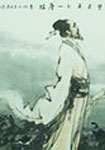 蒯[kuǎi]希逸,字大隐,元代著名诗人,生卒年待考,唐朝会昌三年登第。《全唐诗》收录其创作的《句》和《和主司王起》等两首诗词。著名诗人杜牧有《池州春送前进士蒯希逸》诗。
相关翻译
相关赏析
作者介绍
初八日微雨明日犹有赐意作两绝句 其一原文,初八日微雨明日犹有赐意作两绝句 其一翻译,初八日微雨明日犹有赐意作两绝句 其一赏析,初八日微雨明日犹有赐意作两绝句 其一阅读答案,出自蒯希逸的作品
版权声明:本文内容由网友上传(或整理自网络),原作者已无法考证,版权归原作者所有。五淦诗词网网免费发布仅供学习参考,其观点不代表本站立场。
转载请注明:原文链接 | http://www.descriptivepsychologypress.com/Placepreface.html